
Corazón de Alcachofa offers an ethnographic exploration into the intersection of class, gender, and domestic labour in contemporary Chile. The film centers on Horti, an 85-year-old woman who spent over six decades working as a live-in domestic worker and nanny in Santiago, logging over 70 hours of strenuous labour a week.
Through an observational lens, the project examines the deep personal and societal impacts of a lifetime spent in service: the emotional cost of being separated from her own family to raise the children of upper-class households, and the complex, enduring bonds forged between worker and employer. Rooted in the structural inequalities of Latin American domestic work, the film uncovers how historical trauma, class silence, and unpaid care work ripple across generations, asking fundamental questions about who sustains society and whose lives are remembered.





The Film Synopsis
Reclaiming the City as a Tourist
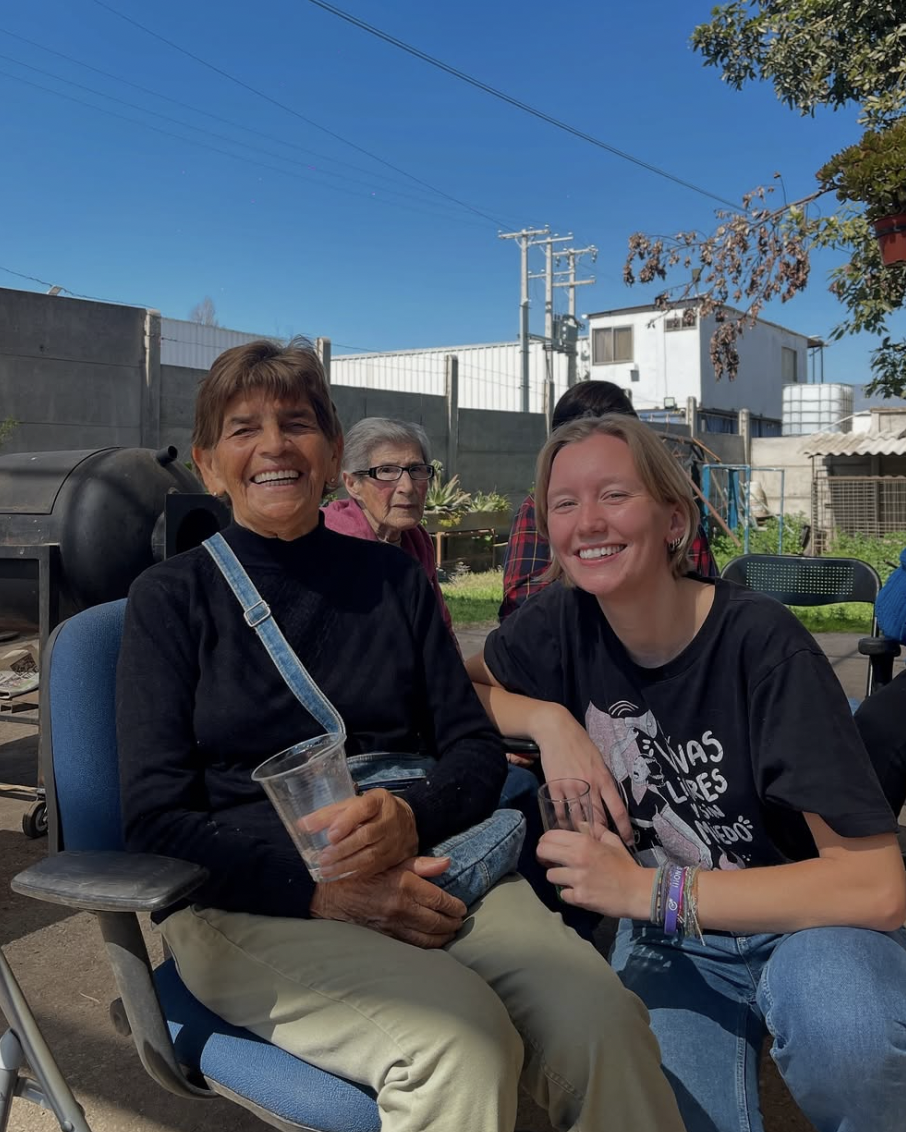
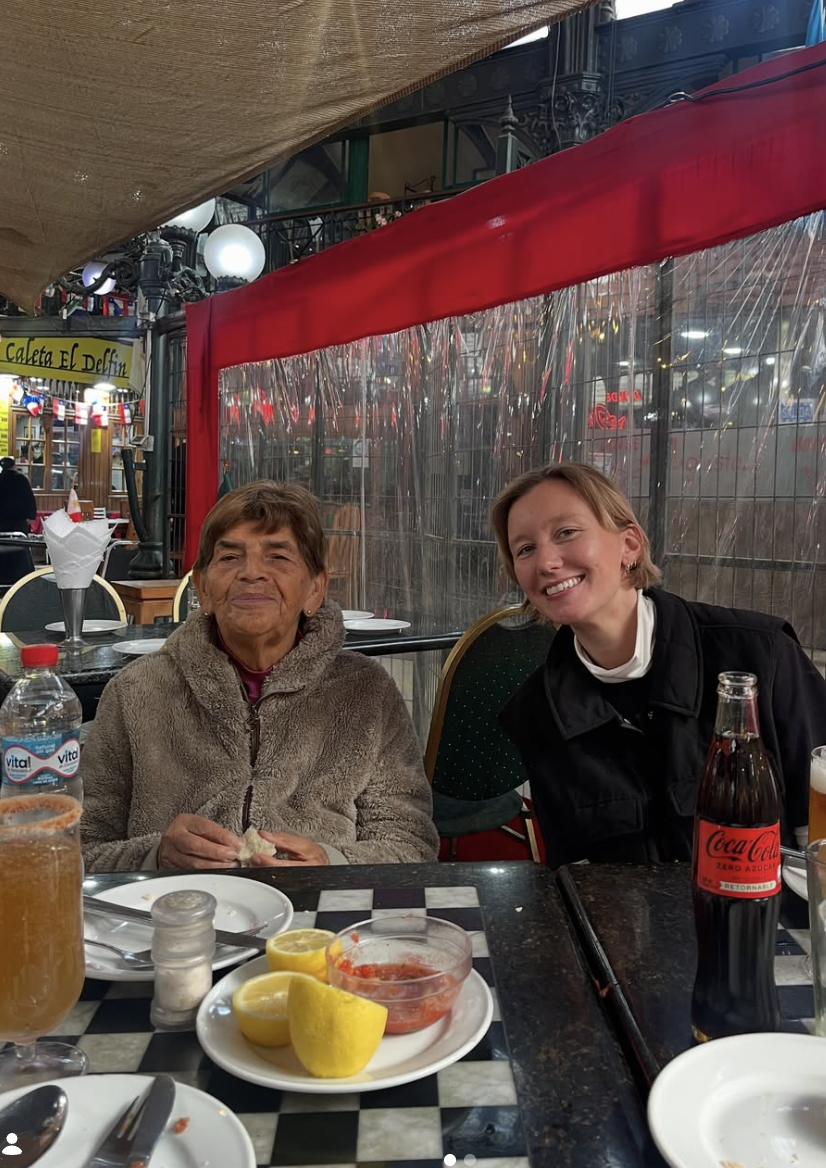
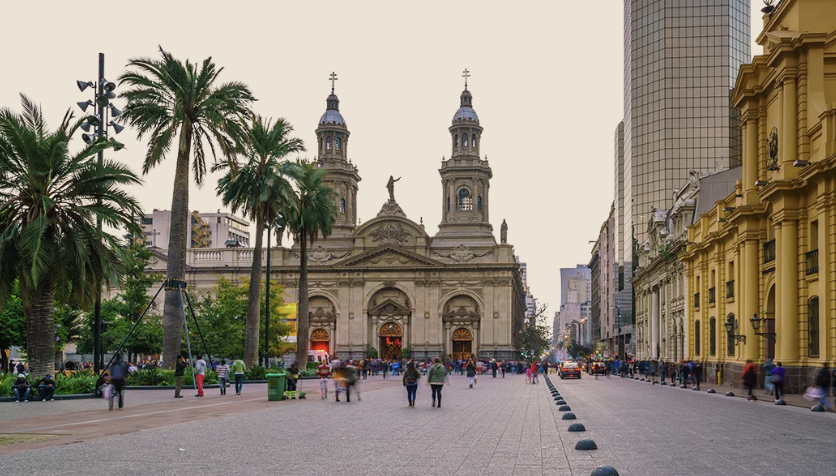
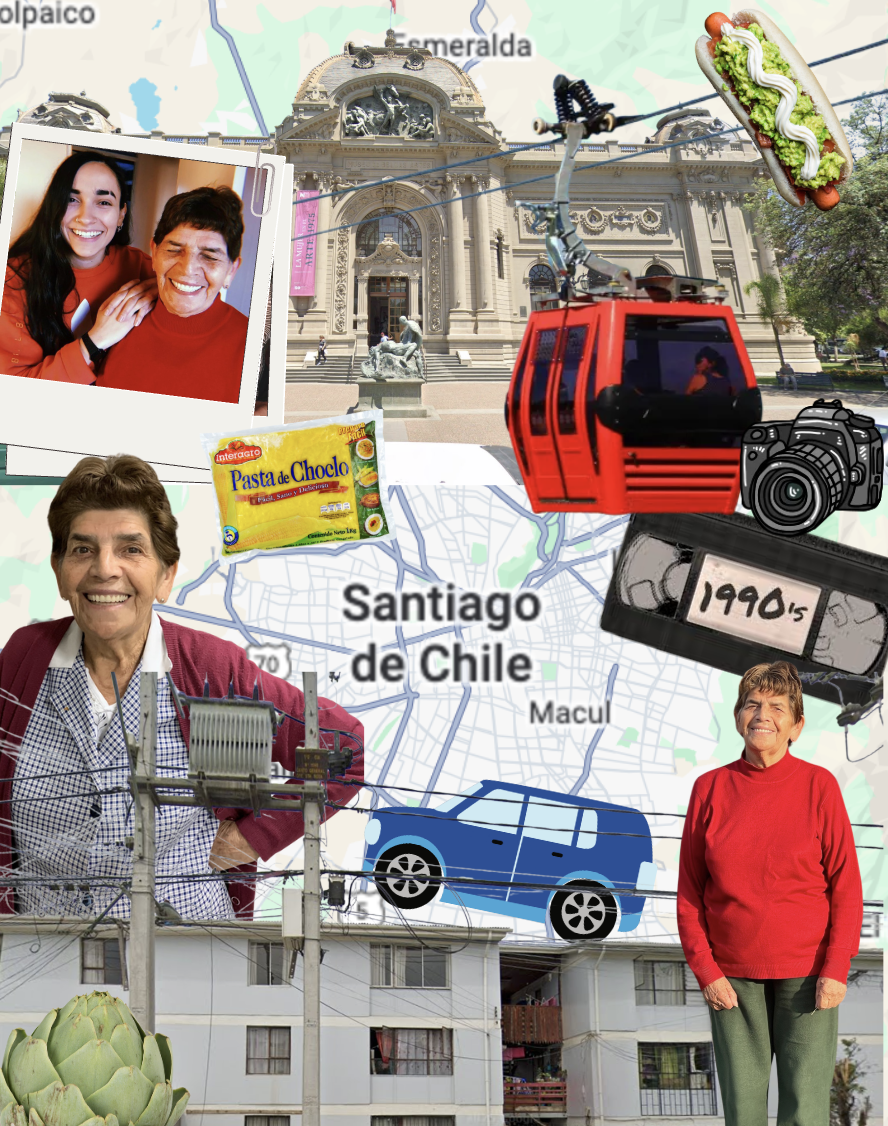
After spending her entire life living in Santiago behind closed doors, 85-year-old Horti steps into the centre of the frame to explore her own city for the very first time as a tourist. Having dedicated decades to cleaning homes and raising children, public landmarks, museums, plazas, and historical sites remained entirely out of her reach.
Accompanied by Rosa, the woman she raised as her own daughter, and Rosa's partner, the filmmaker, Horti navigates Santiago at a gentle, reflective pace. As she enters spaces that once excluded her, a quiet but profound act of reclamation unfolds. Through spontaneous reflections, shared laughter, and quiet moments of discovery, Corazón de Alcachofa follows Horti as she steps beyond the margins to experience freedom, agency, and space on her own terms.