A Digital micro Ethnography of Sapphic Meme Culture
Digital ethnography · Visual anthropology · Meme studies · Queer theory
How do memes, micro-humour and platform-specific trends on Instagram shape meaning-making and modes of sapphic belonging among contemporary English-speaking lesbians?
research project 2025-26
Carabiners, cate blanchett and chapstick lesbians
watch
Lesbian Peoples: A Digital Dictionary
A participatory audiovisual extension of the research
Drawing on Monique Wittig's Lesbian Peoples: Material for a Dictionary, this audiovisual work translates the rhythms of scrolling, recognition and repetition into a participatory visual form. Participants contributed memes from their own archives in response to prompts concerning recognition, coded objects and shared humour.
explore the research
Over two and a half months, I followed 11 actively posting meme accounts, documented 86 posts, and conducted semi-structured interviews with three participants to examine how memes operate as forms of recognition, identity-making and queer world-building.
Field site
Fieldwork
Accounts followed
Posts documented
Interviews
Approach
Media output
Theoretical lenses
Nov 2025 - Jan 2026
11
86
3
Digital micro-ethnography
Participatory audiovisual work
Queer world-making · Semiotics · Performativity · Disidentification · Platform studies
When does a meme become a sign of belonging?
Lesbian communities have historically developed systems of coded recognition in response to conditions of marginalisation and uncertainty. From "Are you a friend of Dorothy?" to the Hanky Code, objects, gestures and linguistic cues have enabled queer subjects to recognise one another without explicit disclosure.
This project asks what happens when such semiotic practices migrate into platformed digital environments.
conceptual framework
SARA AHMED
Orientation
How bodies are directed through space, objects and affect.
↓
Applied here: memes as orientation devices that direct users towards shared references and forms of recognition.
JUDITH BUTLER
Performativity
Identity produced through repeated and recognisable acts.
↓
Applied here: "Lesbian Starter Pack" memes turn objects, behaviours and styles into recognisable performances of lesbian identity.
JOSÉ ESTEBAN MUÑOZ
Disidentification
Minoritarian subjects reworking dominant cultural forms from within.
↓
Applied here: mainstream meme formats are appropriated and reconfigured for sapphic contexts.
LIMOR SHIFMAN
Circulation
Memes derive cultural force through replication, transformation and collective uptake.
↓
Applied here: meaning emerges through repeated circulation rather than from an individual meme alone.
semiotic atlas




OBJECTS
Carabiner
Birkenstocks
Nail clippers
Beanies
Converse
Plaid shirts
BEHAVIOURS
Sitting positions
Moving in quickly
Being friends with exes
Scrolling
Tagging
FIGURES
Cate Blanchett
Sarah Paulson
Gillian Anderson
Jessica Lange
Kate Winslet
etc.
LABELS
Chapstick Lesbian
Soft Masc
Cottagecore Lesbian
Stud
Femme
U-Haul Lesbian
FORMATS
Starter Pack
Reaction image
TikTok/Instagram clip
Image macro
Carousel
Comment thread
Hello, World!
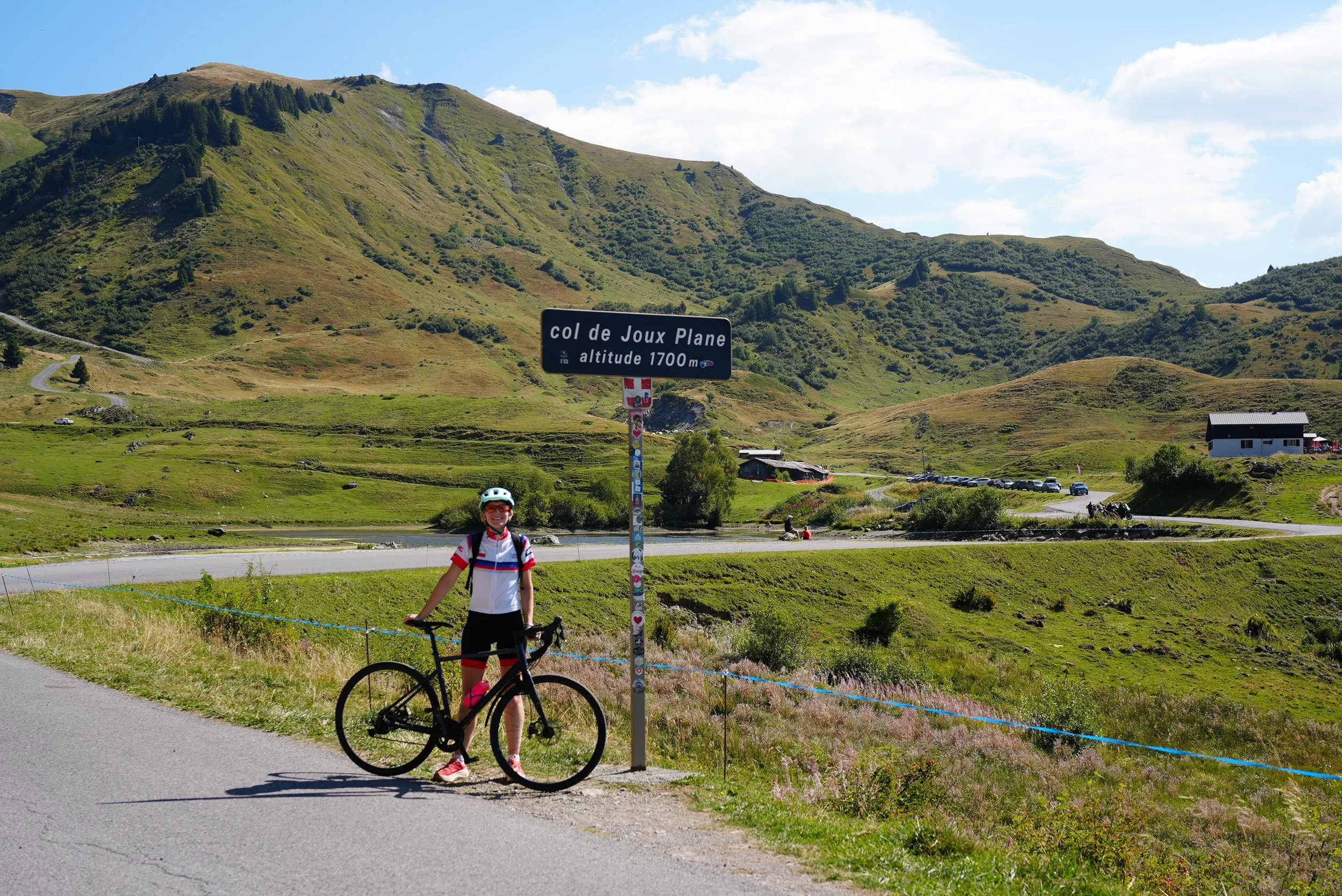
Carabiner
The carabiner operates as a contemporary lesbian-coded object, circulating through memes, reels and jokes as a recognisable marker of sapphic identity.
Digital circulation
Meme formats, Instagram reels and “lesbian starter pack” imagery contribute to the circulation of the carabiner as a recognisable cultural sign.
Offline manifestation
An ordinary material object becomes something that can be worn, carried and recognised in everyday life.
Ethnographic significance
The carabiner demonstrates how digital meme culture can participate in the production of embodied forms of recognition and belonging.
the carabiner code
From meme → object → recognition
DIGITAL
meme → joke → repetition → recognition
↓
EMBODIED
carabiner → keys → clothing → encounter
SOCIAL
"I know what that means."
"It felt really cool to sort of be in this group that if you know you know..."
THE LESBIAN GAZE
WHO BECOMES A MEME?
A grid of your documented pop-cultural figures.
Then:
age
authority
confidence
ambiguity
desire
performance
Your argument is not simply "lesbians find older actresses attractive."
The interesting anthropological question is:
What happens when fragments of mainstream popular culture are detached from their original contexts and reassembled through a sapphic interpretive community?
WHO GETS TO BE SEEN?
82%
of the memes documented in my corpus featured white, thin, cisgender and able-bodied figures or aesthetics.
Then immediately underneath:
This figure does not measure participation within lesbian communities. Rather, it describes the visual material available within my particular research corpus and the representational conditions through which that material circulated.
THE FEED WAS ALSO A FIELD SITE
I did not encounter "lesbian Instagram" from outside it. My feed was shaped by my own position as a white, able-bodied, English-speaking lesbian based in Germany.
RESEARCHER
↓
identity
location
following behaviour
interaction
search history
↓
ALGORITHM
↓
FIELD SITE
↓
DATA
↓
INTERPRETATION
This is a very good place to introduce your argument that the platform itself functioned as an interlocutor and that algorithmic mediation shaped what became visible. Your methodology explicitly frames the platform in this way.